Buy degustation.eu ?
We are moving the project
degustation.eu .
Are you interested in purchasing the domain
degustation.eu ?
domain@kv-gmbh.de · 0541-91531010
Buy degustation.eu ?
What ecosystems are there in Germany?
Germany is home to a variety of ecosystems, including forests, grasslands, wetlands, rivers, lakes, and coastal areas. The country's diverse landscapes support a wide range of plant and animal species, making it a rich and important biodiversity hotspot. These ecosystems are carefully managed and protected through national parks, nature reserves, and conservation efforts to ensure their preservation for future generations. **
Do closed ecosystems work in aquaristics?
Closed ecosystems, also known as self-sustaining ecosystems, can work in aquaristics under the right conditions. These ecosystems can be created in a sealed environment such as a fish tank, where the balance of plants, animals, and microorganisms can sustain themselves without external inputs. However, maintaining a truly closed ecosystem can be challenging, as it requires careful monitoring and management to ensure that all components are in balance. Additionally, closed ecosystems may not be suitable for all types of aquatic life, and some species may require more specific environmental conditions that cannot be fully replicated in a closed system. **

Similar search terms for Ecosystems
Top-Angebote
Products related to Ecosystems:
-
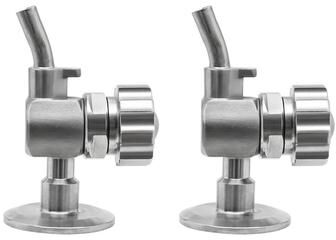
Multicon Wholesale Hub Stainless Steel Sampling Valve For Homebrewing Clamp End Valve Stainless Steel Sampling Valve For Homebrewing Clamp End ValveUnlock precise liquid sampling with the 2 PCS Stainless Steel Sampling Valve designed specifically for homebrewers and brewery enthusiasts. Made with SS304 stainless steel, these valves offer superior durability, ensuring years of rustfree, reliable...239,97 $*Shipping: 0,00 $Secure redirect to the provider
-
Cheungs Pecara Cat Pairing Romantic Cast Iron Wall Hook - N/AHandcrafted from premium cast iron, the Pecara Cat Pairing Wall Hook combines clean design with everyday function. The minimalist cat silhouette adds subtle character without feeling busy.21,52 $*Shipping: 0,00 $Secure redirect to the provider
-
Riedel Sommeliers Blind Tasting GlassDesigned to remove visual influence from wine tasting, the Riedel Sommeliers Blind Tasting Glass allows aroma, texture and flavour to take centre stage. Made from solid black crystal, the opaque finish encourages a more focused, sensory‑led tasting experience, making it well suited to blind tastings, training sessions and informal challenges at home. With a 380ml capacity, the egg‑shaped bowl gives wines ample space to develop and release aroma, while the 22.6cm height provides a well‑balanced, stemmed profile that feels comfortable and controlled in use. The rounded shape supports aromatic expression while keeping the tasting neutral and unbiased. Handmade from crystal by skilled glassmakers, each piece carries subtle variations that reflect its artisanal production. As part of Riedel’s original Sommeliers collection, the glass follows a function‑first design approach and is dishwasher safe for practical use. Supplied as a single glass.88,00 £*Shipping: 0,00 £Secure redirect to the provider



-
What are natural or near-natural ecosystems?
Natural or near-natural ecosystems are areas of land or water that have not been significantly altered by human activity. These ecosystems are characterized by a high degree of biodiversity and are home to a wide variety of plant and animal species. They are often self-sustaining and have complex interactions between different organisms and their environment. Examples of natural or near-natural ecosystems include old-growth forests, coral reefs, and wetlands. These ecosystems are important for maintaining ecological balance and providing essential services such as clean water, air, and habitat for wildlife. **
-
Why are streams or rivers open ecosystems?
Streams or rivers are open ecosystems because they are constantly exchanging energy and materials with their surrounding environment. They receive inputs of water, nutrients, and organic matter from the surrounding land, and they also release water and nutrients downstream. This constant flow of materials and energy allows for a high level of biodiversity and dynamic interactions between the organisms and their environment. Additionally, streams and rivers are often connected to other ecosystems such as wetlands, forests, and lakes, further contributing to their open nature. **
-
How do material cycles work in ecosystems?
Material cycles in ecosystems involve the movement and recycling of essential elements such as carbon, nitrogen, and phosphorus. These elements are taken up by plants from the soil or water, and then transferred to herbivores when they consume the plants. When the herbivores are eaten by carnivores, the elements are further transferred up the food chain. When organisms die, their bodies decompose, releasing the elements back into the environment to be taken up by plants again. This continuous cycling of materials ensures that essential elements are constantly being recycled and made available for use by different organisms in the ecosystem. **
-
What is the topic of ecosystems in biology?
Ecosystems in biology refer to the interactions between living organisms and their physical environment within a specific area. This topic explores how different species within an ecosystem depend on each other for survival, as well as how energy and nutrients flow through the ecosystem. Understanding ecosystems is crucial for studying biodiversity, conservation, and the impact of human activities on natural environments. **

Do decomposers exist in desert ecosystems at all?
Yes, decomposers do exist in desert ecosystems. While the extreme conditions of deserts, such as low moisture and high temperatures, can limit the abundance and diversity of decomposers, there are still organisms that play a role in breaking down organic matter. These may include bacteria, fungi, and invertebrates like termites and ants. Their activity is important for nutrient cycling and soil formation in desert environments. **
What is the term for ecosystems in the ocean?
The term for ecosystems in the ocean is "marine ecosystems." These ecosystems encompass a wide variety of habitats, including coral reefs, open ocean, deep sea, and coastal areas. Marine ecosystems are home to a diverse array of species and play a crucial role in regulating the Earth's climate and providing resources for human populations. **
Top-Angebote
Products related to Ecosystems:
-
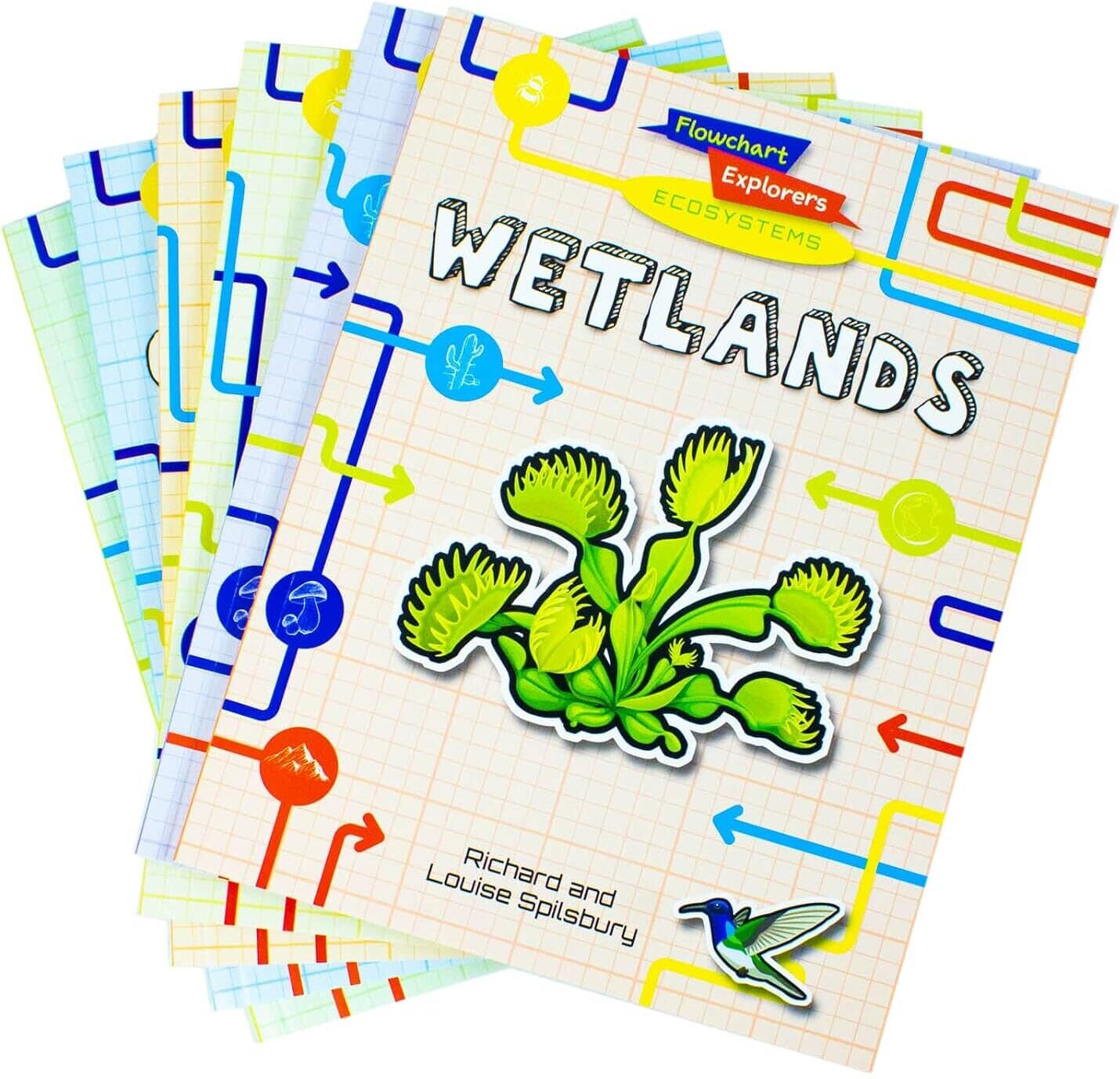
Flowchart Explorers Ecosystems Series 6 Books Collection Set - Ages 9-11 - Paperback Fox Eye PublishingEmbark on a journey of discovery with the "Flowchart Explorers Ecosystems STEM" 6-book set! Explore the wonders of deserts, grasslands, mountains, oceans, rainforests, and wetlands through engaging geography and science books. Titles In This Set: Deserts Grasslands Mountains Oceans Rain Forests Wetlands Description: Deserts Journey into the arid landscapes of deserts and uncover the unique adaptations of plants and animals to survive in extreme conditions. Explore the shifting sands and the fascinating life that thrives in these seemingly barren environments. Grasslands Roam the vast plains of grasslands and discover the rich biodiversity of these expansive ecosystems. Learn about the diverse wildlife, from grazing herbivores to cunning predators, and the essential role grasslands play in supporting life on Earth. Mountains Ascend to the towering peaks of mountains and explore the rugged terrain of these majestic landscapes. Discover the geological forces that shape mountains, the hardy flora and fauna that inhabit them, and the challenges of living at high altitudes. Oceans Dive into the depths of the oceans and unlock the mysteries of the world's largest and most vital ecosystems. From the sunlit surface to the abyssal depths, explore the incredible diversity of marine life and the interconnectedness of oceanic processes. Rain Forests Venture into the lush green canopies of rainforests and marvel at the incredible biodiversity found within these vibrant ecosystems. Discover the intricate relationships between plants, animals, and indigenous peoples, and the importance of conserving these irreplaceable habitats. Wetlands Wade into the tranquil waters of wetlands and explore the dynamic landscapes where water meets land. Learn about the diverse array of wetland ecosystems, from marshes to swamps, and their crucial role in filtering water, mitigating floods, and providing habitat for countless species.13,95 £*Shipping: 2,99 £Secure redirect to the provider
-
Multicon Wholesale Hub Stainless Steel Sampling Valve For Homebrewing Clamp End Valve Stainless Steel Sampling Valve For Homebrewing Clamp End ValveUnlock precise liquid sampling with the 2 PCS Stainless Steel Sampling Valve designed specifically for homebrewers and brewery enthusiasts. Made with SS304 stainless steel, these valves offer superior durability, ensuring years of rustfree, reliable...239,97 $*Shipping: 0,00 $Secure redirect to the provider
-
What ecosystems are there in Germany?
Germany is home to a variety of ecosystems, including forests, grasslands, wetlands, rivers, lakes, and coastal areas. The country's diverse landscapes support a wide range of plant and animal species, making it a rich and important biodiversity hotspot. These ecosystems are carefully managed and protected through national parks, nature reserves, and conservation efforts to ensure their preservation for future generations. **
-
Do closed ecosystems work in aquaristics?
Closed ecosystems, also known as self-sustaining ecosystems, can work in aquaristics under the right conditions. These ecosystems can be created in a sealed environment such as a fish tank, where the balance of plants, animals, and microorganisms can sustain themselves without external inputs. However, maintaining a truly closed ecosystem can be challenging, as it requires careful monitoring and management to ensure that all components are in balance. Additionally, closed ecosystems may not be suitable for all types of aquatic life, and some species may require more specific environmental conditions that cannot be fully replicated in a closed system. **
-
What are natural or near-natural ecosystems?
Natural or near-natural ecosystems are areas of land or water that have not been significantly altered by human activity. These ecosystems are characterized by a high degree of biodiversity and are home to a wide variety of plant and animal species. They are often self-sustaining and have complex interactions between different organisms and their environment. Examples of natural or near-natural ecosystems include old-growth forests, coral reefs, and wetlands. These ecosystems are important for maintaining ecological balance and providing essential services such as clean water, air, and habitat for wildlife. **
-
Why are streams or rivers open ecosystems?
Streams or rivers are open ecosystems because they are constantly exchanging energy and materials with their surrounding environment. They receive inputs of water, nutrients, and organic matter from the surrounding land, and they also release water and nutrients downstream. This constant flow of materials and energy allows for a high level of biodiversity and dynamic interactions between the organisms and their environment. Additionally, streams and rivers are often connected to other ecosystems such as wetlands, forests, and lakes, further contributing to their open nature. **
Similar search terms for Ecosystems
-
Cheungs Pecara Cat Pairing Romantic Cast Iron Wall Hook - N/AHandcrafted from premium cast iron, the Pecara Cat Pairing Wall Hook combines clean design with everyday function. The minimalist cat silhouette adds subtle character without feeling busy.21,52 $*Shipping: 0,00 $Secure redirect to the provider
-
Riedel Sommeliers Blind Tasting GlassDesigned to remove visual influence from wine tasting, the Riedel Sommeliers Blind Tasting Glass allows aroma, texture and flavour to take centre stage. Made from solid black crystal, the opaque finish encourages a more focused, sensory‑led tasting experience, making it well suited to blind tastings, training sessions and informal challenges at home. With a 380ml capacity, the egg‑shaped bowl gives wines ample space to develop and release aroma, while the 22.6cm height provides a well‑balanced, stemmed profile that feels comfortable and controlled in use. The rounded shape supports aromatic expression while keeping the tasting neutral and unbiased. Handmade from crystal by skilled glassmakers, each piece carries subtle variations that reflect its artisanal production. As part of Riedel’s original Sommeliers collection, the glass follows a function‑first design approach and is dishwasher safe for practical use. Supplied as a single glass.88,00 £*Shipping: 0,00 £Secure redirect to the provider
-
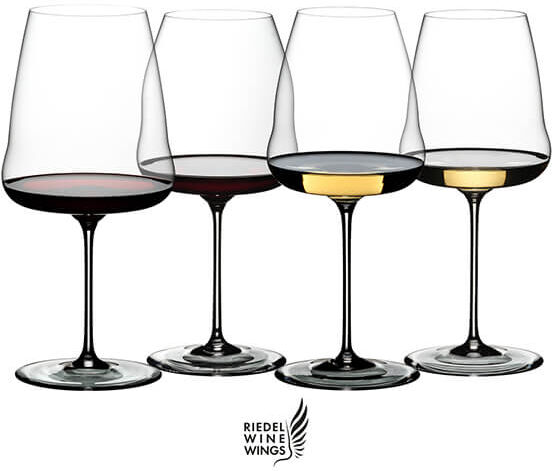
Riedel Winewings Set of 4 Tasting GlassesThe Riedel Winewings Set of Four Tasting Glasses contains the following: 1 x Riedel Winewings Cabernet Sauvignon Glass, 1 x Riedel Winewings Pinot Noir/ Nebbiolo Glass, 1 x Riedel Winewings Sauvignon Blanc Glass and 1 x Riedel Winewings Chardonnay Glass. The Cabernet Sauvignon glass is perfect for full-bodied, complex red wines that are high in tannin. The Pinot Noir glass is perfect for light-bodied red wines with high acidity and moderate tannin. The Sauvignon Blanc glass is perfect for all styles of this variety, from the grassy, fruit-forward wines of the Marlborough to the oak-aged, honeyed blends from Bordeaux. The Chardonnay glass is perfect to reveal the intensity of full-bodied white wines, including the wine's multi-layered aromas. Riedel Winewings Cabernet Sauvignon Glass capacity: 820ml. Riedel Winewings Pinot Noir/ Nebbiolo Glass capacity: 950ml capacity. Riedel Winewings Sauvignon Blanc Glass capacity: 865ml. Part of the Riedel Winewings series. Dishwasher safe. Ideal for the true wine connoisseur, Riedel Winewings glasses emphasise the minerality of the wine, perfect for the wine drinker who prefers wines with depth and complexity. Riedel Winewings is a stunning collection by Georg Riedel. Georg’s swansong series is the culmination of 47 years working in the family business, designing products to enhance the enjoyment of beverages on the way to becoming the father of functional glassware. Asked by a customer in 2018 to create the ultimate glass for Cabernet Sauvignon, the following 12 months consisted of many tastings and changes to glass shape, size and rim diameter until Riedel Winewings literally took flight. Flat-bottomed and reminiscent of an aircraft wing, complete with winglets, Riedel Winewings is described by Georg as “brutally functional, taking the wine’s aromas and flavours on a flight.” Describing the reasoning behind this brutally functional design, Georg says “I chose a flat and stretched bottom with a wing-l ike shape as it increases the surface area of the wine exposed to oxygen. This leads to greater levels of evaporation and enables a greater intensity of aroma. When positioning one’s head to the glass, the nose is closer to the exposed and wider surface of the wine. This alone would not fully deliver the optimal aroma of each grape variety so, to capture the delicate layered aromas, it was necessary to curve the glass walls and to correctly calibrate the opening of each glass with its rim diameter.”112,00 £*Shipping: 0,00 £Secure redirect to the provider
-
Kozy Kitchen Organic Bamboo Platter, Serving Platter, Sectional Wooden Dish For Appetizers & SnacksThis wooden appetizer tray is made of 100% organic bamboo. It's Eco-friendly and stylish design gives a lovely sense to your party tables. No matter if it's in your kitchen, office, yard, picnic, party, vacation, barbecue or some other special events!32,49 $*Shipping: 0,00 $Secure redirect to the provider
-
How do material cycles work in ecosystems?
Material cycles in ecosystems involve the movement and recycling of essential elements such as carbon, nitrogen, and phosphorus. These elements are taken up by plants from the soil or water, and then transferred to herbivores when they consume the plants. When the herbivores are eaten by carnivores, the elements are further transferred up the food chain. When organisms die, their bodies decompose, releasing the elements back into the environment to be taken up by plants again. This continuous cycling of materials ensures that essential elements are constantly being recycled and made available for use by different organisms in the ecosystem. **
-
What is the topic of ecosystems in biology?
Ecosystems in biology refer to the interactions between living organisms and their physical environment within a specific area. This topic explores how different species within an ecosystem depend on each other for survival, as well as how energy and nutrients flow through the ecosystem. Understanding ecosystems is crucial for studying biodiversity, conservation, and the impact of human activities on natural environments. **
-
Do decomposers exist in desert ecosystems at all?
Yes, decomposers do exist in desert ecosystems. While the extreme conditions of deserts, such as low moisture and high temperatures, can limit the abundance and diversity of decomposers, there are still organisms that play a role in breaking down organic matter. These may include bacteria, fungi, and invertebrates like termites and ants. Their activity is important for nutrient cycling and soil formation in desert environments. **
-
What is the term for ecosystems in the ocean?
The term for ecosystems in the ocean is "marine ecosystems." These ecosystems encompass a wide variety of habitats, including coral reefs, open ocean, deep sea, and coastal areas. Marine ecosystems are home to a diverse array of species and play a crucial role in regulating the Earth's climate and providing resources for human populations. **
* All prices are inclusive of VAT and, if applicable, plus shipping costs. The offer information is based on the details provided by the respective shop and is updated through automated processes. Real-time updates do not occur, so deviations can occur in individual cases. ** Note: Parts of this content were created by AI.