Buy degustation.eu ?
We are moving the project
degustation.eu .
Are you interested in purchasing the domain
degustation.eu ?
domain@kv-gmbh.de · 0541-91531010
Buy degustation.eu ?
How does the foliage change color?
The foliage changes color due to a process called chlorophyll breakdown. As the days get shorter and temperatures drop in the fall, trees stop producing chlorophyll, the green pigment responsible for photosynthesis. This causes the green color to fade, revealing other pigments such as carotenoids (yellows and oranges) and anthocyanins (reds and purples) that were present in the leaves all along. The combination of these pigments creates the vibrant fall colors we see. **
Does autumn foliage consist of cellulose?
Yes, autumn foliage does consist of cellulose. Cellulose is a major component of plant cell walls and provides structural support to the plant. As the leaves change color in the autumn, the chlorophyll breaks down and the other pigments in the leaves, such as carotenoids and anthocyanins, become more visible. These pigments are also made up of organic compounds, including cellulose, which gives the leaves their characteristic colors during the fall season. **


Similar search terms for Foliage
Top-Angebote
Products related to Foliage:
-
Victor Mill Lydia foliage comforter setLydia fabric is a classic fabric with an interwoven large tree leaves in a muted colors of natural linen, khaki, brown with the coordinated stripe bedskirt . Will well decorate any bedroom setting. Made in USA.177,20 $*Shipping: 0,00 $Secure redirect to the provider
-
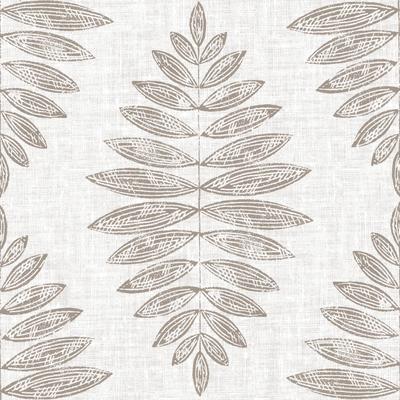
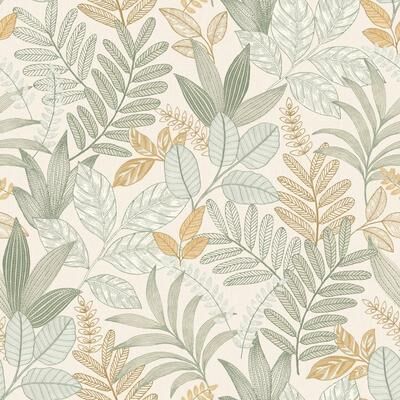
Veer Decor Allure Foliage WallpaperDelicate botanical elements intertwine in an elegant, hand-sketched design, featuring an intricate layering of leaves and fronds. The finely embossed texture enhances the tactile experience, adding dimension and a soft, natural feel to any space.149,99 $*Shipping: 0,00 $Secure redirect to the provider
-
Veer Decor Allure Foliage WallpaperDelicate botanical elements intertwine in an elegant, hand-sketched design, featuring an intricate layering of leaves and fronds. The finely embossed texture enhances the tactile experience, adding dimension and a soft, natural feel to any space.149,49 $*Shipping: 0,00 $Secure redirect to the provider



-
To which plant does this foliage belong?
This foliage belongs to a fern plant. Ferns are known for their feathery or lacy leaves that are called fronds. They are non-flowering plants that reproduce through spores. Ferns are commonly found in moist and shady environments, and they add a lush and tropical feel to gardens and indoor spaces. **
-
Does an ivy shoot die if you spray the foliage with glyphosate?
Yes, spraying the foliage of an ivy shoot with glyphosate will likely cause it to die. Glyphosate is a non-selective herbicide, meaning it will kill any plant it comes into contact with. When sprayed on the foliage, glyphosate is absorbed by the plant and moves throughout its system, ultimately killing it. Therefore, it is important to be careful when using glyphosate near desirable plants to avoid unintended damage. **
-
What is missing in the soil when the leaves or foliage turn pale yellow?
When the leaves or foliage turn pale yellow, it is often a sign of nutrient deficiency in the soil. One of the most common deficiencies associated with pale yellow leaves is a lack of nitrogen. Nitrogen is an essential nutrient for plant growth and is necessary for the production of chlorophyll, which gives leaves their green color. Without enough nitrogen, plants cannot produce enough chlorophyll, leading to pale yellow leaves. Other potential deficiencies that can cause pale yellow leaves include iron, magnesium, and sulfur. It is important to test the soil to determine which nutrient is lacking and then address the deficiency through fertilization or soil amendments. **
-
What are French appetizers?
French appetizers, also known as "hors d'oeuvres," are small dishes served before the main meal to stimulate the appetite. They can range from simple items like olives, cheese, and charcuterie to more elaborate dishes like pâté, escargot, or foie gras. French appetizers are often served with aperitifs like champagne, wine, or cocktails, and are meant to be enjoyed slowly and savored before the main course. They are an essential part of French dining culture and are a great way to start a meal with friends and family. **

Why are there appetizers?
Appetizers are served before the main course to stimulate the appetite and provide a preview of the meal to come. They also serve as a way to welcome guests and create a social atmosphere before the main meal. Additionally, appetizers can showcase the chef's skills and creativity, setting the tone for the rest of the dining experience. Overall, appetizers enhance the dining experience by offering a variety of flavors, textures, and tastes to whet the appetite and prepare diners for the main course. **
What are these appetizers called?
These appetizers are called "bruschetta." Bruschetta is an Italian antipasto dish consisting of grilled bread rubbed with garlic and topped with olive oil, salt, and various toppings such as tomatoes, vegetables, or cheese. It is a popular and delicious starter or snack. **
Top-Angebote
Products related to Foliage:
-
"Arcilla Elemental - Green Faux Foliage Topiary Indoor Outdoor Artificial Foliage Ball - 15""D"Use it as a centerpiece on the living room coffee table or a corner accent piece by the hallway console dresser. Add some greenery to your decor with no keep up effort with these artificial foliage.72,98 $*Shipping: 0,00 $Secure redirect to the provider
-
Veer Decor Allure Foliage WallpaperDelicate botanical elements intertwine in an elegant, hand-sketched design, featuring an intricate layering of leaves and fronds. The finely embossed texture enhances the tactile experience, adding dimension and a soft, natural feel to any space.149,99 $*Shipping: 0,00 $Secure redirect to the provider
-
Victor Mill Lydia foliage comforter setLydia fabric is a classic fabric with an interwoven large tree leaves in a muted colors of natural linen, khaki, brown with the coordinated stripe bedskirt . Will well decorate any bedroom setting. Made in USA.177,20 $*Shipping: 0,00 $Secure redirect to the provider
-
How does the foliage change color?
The foliage changes color due to a process called chlorophyll breakdown. As the days get shorter and temperatures drop in the fall, trees stop producing chlorophyll, the green pigment responsible for photosynthesis. This causes the green color to fade, revealing other pigments such as carotenoids (yellows and oranges) and anthocyanins (reds and purples) that were present in the leaves all along. The combination of these pigments creates the vibrant fall colors we see. **
-
Does autumn foliage consist of cellulose?
Yes, autumn foliage does consist of cellulose. Cellulose is a major component of plant cell walls and provides structural support to the plant. As the leaves change color in the autumn, the chlorophyll breaks down and the other pigments in the leaves, such as carotenoids and anthocyanins, become more visible. These pigments are also made up of organic compounds, including cellulose, which gives the leaves their characteristic colors during the fall season. **
-
To which plant does this foliage belong?
This foliage belongs to a fern plant. Ferns are known for their feathery or lacy leaves that are called fronds. They are non-flowering plants that reproduce through spores. Ferns are commonly found in moist and shady environments, and they add a lush and tropical feel to gardens and indoor spaces. **
-
Does an ivy shoot die if you spray the foliage with glyphosate?
Yes, spraying the foliage of an ivy shoot with glyphosate will likely cause it to die. Glyphosate is a non-selective herbicide, meaning it will kill any plant it comes into contact with. When sprayed on the foliage, glyphosate is absorbed by the plant and moves throughout its system, ultimately killing it. Therefore, it is important to be careful when using glyphosate near desirable plants to avoid unintended damage. **
Similar search terms for Foliage
-
Veer Decor Allure Foliage WallpaperDelicate botanical elements intertwine in an elegant, hand-sketched design, featuring an intricate layering of leaves and fronds. The finely embossed texture enhances the tactile experience, adding dimension and a soft, natural feel to any space.149,99 $*Shipping: 0,00 $Secure redirect to the provider
-
Veer Decor Allure Foliage WallpaperDelicate botanical elements intertwine in an elegant, hand-sketched design, featuring an intricate layering of leaves and fronds. The finely embossed texture enhances the tactile experience, adding dimension and a soft, natural feel to any space.149,49 $*Shipping: 0,00 $Secure redirect to the provider
-
Veer Decor Allure Foliage WallpaperDelicate botanical elements intertwine in an elegant, hand-sketched design, featuring an intricate layering of leaves and fronds. The finely embossed texture enhances the tactile experience, adding dimension and a soft, natural feel to any space.149,99 $*Shipping: 0,00 $Secure redirect to the provider
-
Veer Decor Allure Foliage WallpaperDelicate botanical elements intertwine in an elegant, hand-sketched design, featuring an intricate layering of leaves and fronds. The finely embossed texture enhances the tactile experience, adding dimension and a soft, natural feel to any space.149,99 $*Shipping: 0,00 $Secure redirect to the provider
-
What is missing in the soil when the leaves or foliage turn pale yellow?
When the leaves or foliage turn pale yellow, it is often a sign of nutrient deficiency in the soil. One of the most common deficiencies associated with pale yellow leaves is a lack of nitrogen. Nitrogen is an essential nutrient for plant growth and is necessary for the production of chlorophyll, which gives leaves their green color. Without enough nitrogen, plants cannot produce enough chlorophyll, leading to pale yellow leaves. Other potential deficiencies that can cause pale yellow leaves include iron, magnesium, and sulfur. It is important to test the soil to determine which nutrient is lacking and then address the deficiency through fertilization or soil amendments. **
-
What are French appetizers?
French appetizers, also known as "hors d'oeuvres," are small dishes served before the main meal to stimulate the appetite. They can range from simple items like olives, cheese, and charcuterie to more elaborate dishes like pâté, escargot, or foie gras. French appetizers are often served with aperitifs like champagne, wine, or cocktails, and are meant to be enjoyed slowly and savored before the main course. They are an essential part of French dining culture and are a great way to start a meal with friends and family. **
-
Why are there appetizers?
Appetizers are served before the main course to stimulate the appetite and provide a preview of the meal to come. They also serve as a way to welcome guests and create a social atmosphere before the main meal. Additionally, appetizers can showcase the chef's skills and creativity, setting the tone for the rest of the dining experience. Overall, appetizers enhance the dining experience by offering a variety of flavors, textures, and tastes to whet the appetite and prepare diners for the main course. **
-
What are these appetizers called?
These appetizers are called "bruschetta." Bruschetta is an Italian antipasto dish consisting of grilled bread rubbed with garlic and topped with olive oil, salt, and various toppings such as tomatoes, vegetables, or cheese. It is a popular and delicious starter or snack. **
* All prices are inclusive of VAT and, if applicable, plus shipping costs. The offer information is based on the details provided by the respective shop and is updated through automated processes. Real-time updates do not occur, so deviations can occur in individual cases. ** Note: Parts of this content were created by AI.