Buy degustation.eu ?
We are moving the project
degustation.eu .
Are you interested in purchasing the domain
degustation.eu ?
domain@kv-gmbh.de · 0541-91531010
Buy degustation.eu ?
Are Swiss Germans Germans or Austrians?
Swiss Germans are considered to be a distinct cultural group within Switzerland, with their own unique dialect, traditions, and identity. While they may share some similarities with Germans and Austrians due to historical and geographical connections, Swiss Germans are not considered to be the same as either Germans or Austrians. They have their own distinct cultural heritage that sets them apart from both Germans and Austrians. **
Why are Germans actually called Germans?
The name "Germans" is derived from the Latin word "Germani," which was used by the Romans to refer to the various tribes living in the area east of the Rhine River. Over time, this name became associated with the people living in what is now modern-day Germany. The name "Germani" is believed to have originated from the Celtic word "ger," meaning "neighbor," as the Germanic tribes were considered neighbors by the Celts. Therefore, the name "Germans" is a historical and linguistic legacy that has been passed down through the ages. **


Similar search terms for Germans
Top-Angebote
Products related to Germans:
-
Multicon Wholesale Hub Stainless Steel Sampling Valve For Homebrewing Clamp End Valve Stainless Steel Sampling Valve For Homebrewing Clamp End ValveUnlock precise liquid sampling with the 2 PCS Stainless Steel Sampling Valve designed specifically for homebrewers and brewery enthusiasts. Made with SS304 stainless steel, these valves offer superior durability, ensuring years of rustfree, reliable...239,97 $*Shipping: 0,00 $Secure redirect to the provider
-
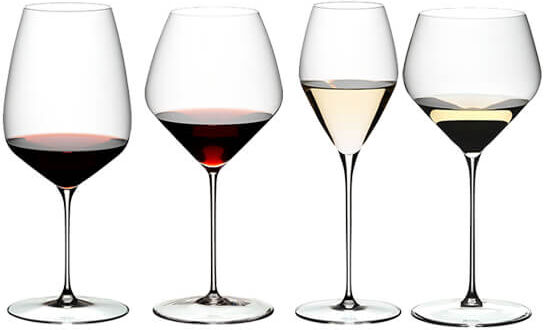
Riedel Veloce Tasting SetThe Riedel Veloce Tasting Set comprises: 1 x Riedel Veloce Cabernet, 1 x Riedel Veloce Pinot Noir, 1 x Riedel Veloce Sauvignon Blanc & 1 x Riedel Veloce Chardonnay glass. Part of the Riedel Veloce range, an impressive development based on state-of-the-art technology from Riedel’s own factory. The series uses the latest manufacturing technology to create products that feel handmade but offer the precision of machine production. With a lighter and finer profile, the glasses are ideal for new world wines and feature a 100mm diameter base inscribed with the designated grape variety. Dishwasher safe.100,00 £*Shipping: 0,00 £Secure redirect to the provider
-
Riedel Sommeliers Blind Tasting GlassDesigned to remove visual influence from wine tasting, the Riedel Sommeliers Blind Tasting Glass allows aroma, texture and flavour to take centre stage. Made from solid black crystal, the opaque finish encourages a more focused, sensory‑led tasting experience, making it well suited to blind tastings, training sessions and informal challenges at home. With a 380ml capacity, the egg‑shaped bowl gives wines ample space to develop and release aroma, while the 22.6cm height provides a well‑balanced, stemmed profile that feels comfortable and controlled in use. The rounded shape supports aromatic expression while keeping the tasting neutral and unbiased. Handmade from crystal by skilled glassmakers, each piece carries subtle variations that reflect its artisanal production. As part of Riedel’s original Sommeliers collection, the glass follows a function‑first design approach and is dishwasher safe for practical use. Supplied as a single glass.88,00 £*Shipping: 0,00 £Secure redirect to the provider



-
Why do Germans bully other Germans?
Germans may bully other Germans for a variety of reasons, including jealousy, insecurity, and a desire for power or control. Bullying can also be a result of social or cultural pressures, as well as individual personality traits. Additionally, historical and societal factors may contribute to a culture of bullying within certain groups or communities. It's important to address these underlying issues and promote empathy and understanding to prevent bullying within German society. **
-
Are Russian-Germans Russians or Germans?
Russian-Germans are a distinct ethnic group with a unique cultural and historical background. They are descendants of Germans who migrated to Russia in the 18th and 19th centuries and have developed their own distinct identity and traditions. While they may have cultural ties to both Russia and Germany, they are considered a separate ethnic group with their own language, customs, and traditions. Therefore, it would be more accurate to consider them as Russian-Germans rather than simply Russians or Germans. **
-
Are East Germans stricter than West Germans?
It is not accurate to make a blanket statement about the strictness of East Germans versus West Germans. Both regions have their own unique cultural and historical influences that shape the attitudes and behaviors of their residents. It is important to recognize that individuals within each region may vary in their strictness based on personal values, upbringing, and other factors. Additionally, the reunification of Germany has led to increased interaction and integration between East and West, blurring the lines of regional differences. **
-
Why do East Germans hate West Germans?
The animosity between some East Germans and West Germans can be traced back to the stark differences in living conditions and opportunities that existed before the reunification of Germany in 1990. Many East Germans felt marginalized and disadvantaged compared to their Western counterparts, leading to feelings of resentment and frustration. Additionally, the rapid changes and challenges that came with reunification, such as job losses and economic instability, further fueled tensions between the two groups. While not all East Germans hate West Germans, these historical and socio-economic factors have contributed to lingering animosities in some segments of the population. **

Do West Germans discriminate against East Germans?
There is evidence to suggest that some West Germans may hold negative stereotypes or prejudices against East Germans, particularly in the years following reunification. This may be due to differences in culture, economic disparities, and lingering perceptions from the division of the country. However, it is important to note that attitudes and perceptions have evolved over time, and many West Germans do not discriminate against East Germans. Efforts have been made to bridge the gap between the two regions and promote unity within the country. **
Do the East Germans still like us West Germans?
While there may still be some lingering tensions and differences between East and West Germans, overall the relationship between the two has improved significantly since reunification in 1990. Many East Germans appreciate the economic opportunities and freedoms that have come with reunification, but there are also some who feel marginalized or left behind in the process. Overall, there is a sense of unity and shared identity among Germans, despite the historical divisions. **
Top-Angebote
Products related to Germans:
-
Dell Universal Pairing Receiver WR221 Titan GreyCompact wireless receiver compatible with Dell keyboards and mice using 2.4 GHz RF technology. Connects via USB and supports universal pairing with multiple Dell peripheral models, backed by a 1-year manufacturer warranty.21,99 £*Shipping: 0,00 £Secure redirect to the provider
-
Multicon Wholesale Hub Stainless Steel Sampling Valve For Homebrewing Clamp End Valve Stainless Steel Sampling Valve For Homebrewing Clamp End ValveUnlock precise liquid sampling with the 2 PCS Stainless Steel Sampling Valve designed specifically for homebrewers and brewery enthusiasts. Made with SS304 stainless steel, these valves offer superior durability, ensuring years of rustfree, reliable...239,97 $*Shipping: 0,00 $Secure redirect to the provider
-
Are Swiss Germans Germans or Austrians?
Swiss Germans are considered to be a distinct cultural group within Switzerland, with their own unique dialect, traditions, and identity. While they may share some similarities with Germans and Austrians due to historical and geographical connections, Swiss Germans are not considered to be the same as either Germans or Austrians. They have their own distinct cultural heritage that sets them apart from both Germans and Austrians. **
-
Why are Germans actually called Germans?
The name "Germans" is derived from the Latin word "Germani," which was used by the Romans to refer to the various tribes living in the area east of the Rhine River. Over time, this name became associated with the people living in what is now modern-day Germany. The name "Germani" is believed to have originated from the Celtic word "ger," meaning "neighbor," as the Germanic tribes were considered neighbors by the Celts. Therefore, the name "Germans" is a historical and linguistic legacy that has been passed down through the ages. **
-
Why do Germans bully other Germans?
Germans may bully other Germans for a variety of reasons, including jealousy, insecurity, and a desire for power or control. Bullying can also be a result of social or cultural pressures, as well as individual personality traits. Additionally, historical and societal factors may contribute to a culture of bullying within certain groups or communities. It's important to address these underlying issues and promote empathy and understanding to prevent bullying within German society. **
-
Are Russian-Germans Russians or Germans?
Russian-Germans are a distinct ethnic group with a unique cultural and historical background. They are descendants of Germans who migrated to Russia in the 18th and 19th centuries and have developed their own distinct identity and traditions. While they may have cultural ties to both Russia and Germany, they are considered a separate ethnic group with their own language, customs, and traditions. Therefore, it would be more accurate to consider them as Russian-Germans rather than simply Russians or Germans. **
Similar search terms for Germans
-
Riedel Veloce Tasting SetThe Riedel Veloce Tasting Set comprises: 1 x Riedel Veloce Cabernet, 1 x Riedel Veloce Pinot Noir, 1 x Riedel Veloce Sauvignon Blanc & 1 x Riedel Veloce Chardonnay glass. Part of the Riedel Veloce range, an impressive development based on state-of-the-art technology from Riedel’s own factory. The series uses the latest manufacturing technology to create products that feel handmade but offer the precision of machine production. With a lighter and finer profile, the glasses are ideal for new world wines and feature a 100mm diameter base inscribed with the designated grape variety. Dishwasher safe.100,00 £*Shipping: 0,00 £Secure redirect to the provider
-
Riedel Sommeliers Blind Tasting GlassDesigned to remove visual influence from wine tasting, the Riedel Sommeliers Blind Tasting Glass allows aroma, texture and flavour to take centre stage. Made from solid black crystal, the opaque finish encourages a more focused, sensory‑led tasting experience, making it well suited to blind tastings, training sessions and informal challenges at home. With a 380ml capacity, the egg‑shaped bowl gives wines ample space to develop and release aroma, while the 22.6cm height provides a well‑balanced, stemmed profile that feels comfortable and controlled in use. The rounded shape supports aromatic expression while keeping the tasting neutral and unbiased. Handmade from crystal by skilled glassmakers, each piece carries subtle variations that reflect its artisanal production. As part of Riedel’s original Sommeliers collection, the glass follows a function‑first design approach and is dishwasher safe for practical use. Supplied as a single glass.88,00 £*Shipping: 0,00 £Secure redirect to the provider
-
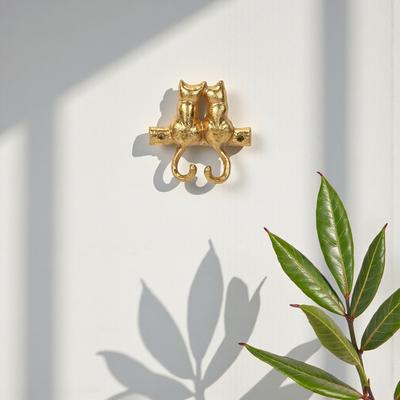
Cheungs Pecara Cat Pairing Romantic Cast Iron Wall Hook - N/AHandcrafted from premium cast iron, the Pecara Cat Pairing Wall Hook combines clean design with everyday function. The minimalist cat silhouette adds subtle character without feeling busy.21,52 $*Shipping: 0,00 $Secure redirect to the provider
-
Are East Germans stricter than West Germans?
It is not accurate to make a blanket statement about the strictness of East Germans versus West Germans. Both regions have their own unique cultural and historical influences that shape the attitudes and behaviors of their residents. It is important to recognize that individuals within each region may vary in their strictness based on personal values, upbringing, and other factors. Additionally, the reunification of Germany has led to increased interaction and integration between East and West, blurring the lines of regional differences. **
-
Why do East Germans hate West Germans?
The animosity between some East Germans and West Germans can be traced back to the stark differences in living conditions and opportunities that existed before the reunification of Germany in 1990. Many East Germans felt marginalized and disadvantaged compared to their Western counterparts, leading to feelings of resentment and frustration. Additionally, the rapid changes and challenges that came with reunification, such as job losses and economic instability, further fueled tensions between the two groups. While not all East Germans hate West Germans, these historical and socio-economic factors have contributed to lingering animosities in some segments of the population. **
-
Do West Germans discriminate against East Germans?
There is evidence to suggest that some West Germans may hold negative stereotypes or prejudices against East Germans, particularly in the years following reunification. This may be due to differences in culture, economic disparities, and lingering perceptions from the division of the country. However, it is important to note that attitudes and perceptions have evolved over time, and many West Germans do not discriminate against East Germans. Efforts have been made to bridge the gap between the two regions and promote unity within the country. **
-
Do the East Germans still like us West Germans?
While there may still be some lingering tensions and differences between East and West Germans, overall the relationship between the two has improved significantly since reunification in 1990. Many East Germans appreciate the economic opportunities and freedoms that have come with reunification, but there are also some who feel marginalized or left behind in the process. Overall, there is a sense of unity and shared identity among Germans, despite the historical divisions. **
* All prices are inclusive of VAT and, if applicable, plus shipping costs. The offer information is based on the details provided by the respective shop and is updated through automated processes. Real-time updates do not occur, so deviations can occur in individual cases. ** Note: Parts of this content were created by AI.