Buy degustation.eu ?
We are moving the project
degustation.eu .
Are you interested in purchasing the domain
degustation.eu ?
domain@kv-gmbh.de · 0541-91531010
Buy degustation.eu ?
What is a monoculture?
A monoculture is a farming practice where only one type of crop is grown in a large area of land. This can lead to a lack of biodiversity and can make the crops more susceptible to pests and diseases. Monocultures are often used in industrial agriculture to maximize efficiency and yield, but they can have negative impacts on the environment and food security. **
What is monoculture and perennial culture?
Monoculture refers to the practice of growing a single crop species over a large area, often with the use of chemical inputs to maximize yields. This practice can lead to a lack of biodiversity, increased vulnerability to pests and diseases, and soil degradation. On the other hand, perennial culture involves growing a diverse range of perennial plants that live for multiple years, promoting biodiversity, soil health, and ecosystem resilience. Perennial culture mimics natural ecosystems and can provide a more sustainable approach to agriculture. **


Similar search terms for Monoculture
Top-Angebote
Products related to Monoculture:
-
Multicon Wholesale Hub Stainless Steel Sampling Valve For Homebrewing Clamp End Valve Stainless Steel Sampling Valve For Homebrewing Clamp End ValveUnlock precise liquid sampling with the 2 PCS Stainless Steel Sampling Valve designed specifically for homebrewers and brewery enthusiasts. Made with SS304 stainless steel, these valves offer superior durability, ensuring years of rustfree, reliable...239,97 $*Shipping: 0,00 $Secure redirect to the provider
-
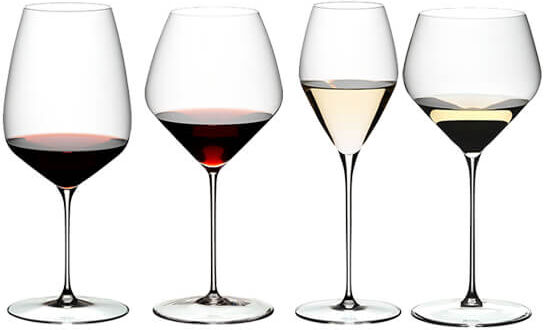
Riedel Veloce Tasting SetThe Riedel Veloce Tasting Set comprises: 1 x Riedel Veloce Cabernet, 1 x Riedel Veloce Pinot Noir, 1 x Riedel Veloce Sauvignon Blanc & 1 x Riedel Veloce Chardonnay glass. Part of the Riedel Veloce range, an impressive development based on state-of-the-art technology from Riedel’s own factory. The series uses the latest manufacturing technology to create products that feel handmade but offer the precision of machine production. With a lighter and finer profile, the glasses are ideal for new world wines and feature a 100mm diameter base inscribed with the designated grape variety. Dishwasher safe.100,00 £*Shipping: 0,00 £Secure redirect to the provider
-
Riedel Sommeliers Blind Tasting GlassDesigned to remove visual influence from wine tasting, the Riedel Sommeliers Blind Tasting Glass allows aroma, texture and flavour to take centre stage. Made from solid black crystal, the opaque finish encourages a more focused, sensory‑led tasting experience, making it well suited to blind tastings, training sessions and informal challenges at home. With a 380ml capacity, the egg‑shaped bowl gives wines ample space to develop and release aroma, while the 22.6cm height provides a well‑balanced, stemmed profile that feels comfortable and controlled in use. The rounded shape supports aromatic expression while keeping the tasting neutral and unbiased. Handmade from crystal by skilled glassmakers, each piece carries subtle variations that reflect its artisanal production. As part of Riedel’s original Sommeliers collection, the glass follows a function‑first design approach and is dishwasher safe for practical use. Supplied as a single glass.88,00 £*Shipping: 0,00 £Secure redirect to the provider



-
Why are there disadvantages to monoculture?
Monoculture, the practice of growing a single crop over a large area, can lead to several disadvantages. One major drawback is the increased vulnerability to pests and diseases, as the lack of crop diversity makes it easier for these threats to spread rapidly and devastate the entire crop. Monoculture also depletes the soil of specific nutrients, leading to decreased soil fertility over time. Additionally, monoculture can have negative impacts on biodiversity, as it reduces the variety of plant and animal species in the area. **
-
Are you for monoculture or multiculturalism?
I am for multiculturalism. I believe that diversity in culture, language, and traditions enriches society and promotes understanding and tolerance among different groups. Embracing multiculturalism allows for the exchange of ideas and perspectives, leading to a more vibrant and inclusive community. It is important to celebrate and respect the differences that make each culture unique, rather than promoting a singular, homogenous way of life. **
-
What is monoculture and perennial crop cultivation?
Monoculture is the agricultural practice of growing a single crop species in a large area of land. This practice can lead to a lack of biodiversity and increased vulnerability to pests and diseases. Perennial crop cultivation, on the other hand, involves growing crops that live for multiple years without the need for replanting each year. Perennial crops can help improve soil health, reduce erosion, and require less input of resources compared to annual crops. **
-
What is a monoculture in the Bannwaldstangenwald?
A monoculture in the Bannwaldstangenwald refers to a forest composed of a single species of trees, typically spruce or pine. This type of forest lacks biodiversity and is more susceptible to diseases and pests. Monocultures are often the result of human intervention, such as clear-cutting and replanting with a single species for commercial purposes. In the Bannwaldstangenwald, efforts are being made to promote diversity and resilience by transitioning monocultures to mixed-species forests. **

What are the problems of a monoculture economy?
A monoculture economy is vulnerable to external shocks such as changes in market demand, natural disasters, or disease outbreaks that can devastate the entire economy. It can lead to over-reliance on a single industry, making the economy less diverse and resilient. Additionally, it can result in income inequality and lack of job opportunities for people with skills outside of the dominant industry. Overall, a monoculture economy is risky and can hinder long-term economic growth and stability. **
How do monoculture forests differ from natural mixed forests?
Monoculture forests are composed of a single species of tree, typically planted in rows for commercial purposes such as timber production. These forests lack the diversity of species found in natural mixed forests, which contain a variety of tree species, as well as other plants and wildlife. Natural mixed forests are more resilient to pests, diseases, and climate change, as the diversity of species provides a more stable ecosystem. Monoculture forests are more vulnerable to these threats, as a single pest or disease can devastate the entire forest. **
Top-Angebote
Products related to Monoculture:
-
Dell Universal Pairing Receiver WR221 Titan GreyCompact wireless receiver compatible with Dell keyboards and mice using 2.4 GHz RF technology. Connects via USB and supports universal pairing with multiple Dell peripheral models, backed by a 1-year manufacturer warranty.21,99 £*Shipping: 0,00 £Secure redirect to the provider
-
Multicon Wholesale Hub Stainless Steel Sampling Valve For Homebrewing Clamp End Valve Stainless Steel Sampling Valve For Homebrewing Clamp End ValveUnlock precise liquid sampling with the 2 PCS Stainless Steel Sampling Valve designed specifically for homebrewers and brewery enthusiasts. Made with SS304 stainless steel, these valves offer superior durability, ensuring years of rustfree, reliable...239,97 $*Shipping: 0,00 $Secure redirect to the provider
-
What is a monoculture?
A monoculture is a farming practice where only one type of crop is grown in a large area of land. This can lead to a lack of biodiversity and can make the crops more susceptible to pests and diseases. Monocultures are often used in industrial agriculture to maximize efficiency and yield, but they can have negative impacts on the environment and food security. **
-
What is monoculture and perennial culture?
Monoculture refers to the practice of growing a single crop species over a large area, often with the use of chemical inputs to maximize yields. This practice can lead to a lack of biodiversity, increased vulnerability to pests and diseases, and soil degradation. On the other hand, perennial culture involves growing a diverse range of perennial plants that live for multiple years, promoting biodiversity, soil health, and ecosystem resilience. Perennial culture mimics natural ecosystems and can provide a more sustainable approach to agriculture. **
-
Why are there disadvantages to monoculture?
Monoculture, the practice of growing a single crop over a large area, can lead to several disadvantages. One major drawback is the increased vulnerability to pests and diseases, as the lack of crop diversity makes it easier for these threats to spread rapidly and devastate the entire crop. Monoculture also depletes the soil of specific nutrients, leading to decreased soil fertility over time. Additionally, monoculture can have negative impacts on biodiversity, as it reduces the variety of plant and animal species in the area. **
-
Are you for monoculture or multiculturalism?
I am for multiculturalism. I believe that diversity in culture, language, and traditions enriches society and promotes understanding and tolerance among different groups. Embracing multiculturalism allows for the exchange of ideas and perspectives, leading to a more vibrant and inclusive community. It is important to celebrate and respect the differences that make each culture unique, rather than promoting a singular, homogenous way of life. **
Similar search terms for Monoculture
-
Riedel Veloce Tasting SetThe Riedel Veloce Tasting Set comprises: 1 x Riedel Veloce Cabernet, 1 x Riedel Veloce Pinot Noir, 1 x Riedel Veloce Sauvignon Blanc & 1 x Riedel Veloce Chardonnay glass. Part of the Riedel Veloce range, an impressive development based on state-of-the-art technology from Riedel’s own factory. The series uses the latest manufacturing technology to create products that feel handmade but offer the precision of machine production. With a lighter and finer profile, the glasses are ideal for new world wines and feature a 100mm diameter base inscribed with the designated grape variety. Dishwasher safe.100,00 £*Shipping: 0,00 £Secure redirect to the provider
-
Riedel Sommeliers Blind Tasting GlassDesigned to remove visual influence from wine tasting, the Riedel Sommeliers Blind Tasting Glass allows aroma, texture and flavour to take centre stage. Made from solid black crystal, the opaque finish encourages a more focused, sensory‑led tasting experience, making it well suited to blind tastings, training sessions and informal challenges at home. With a 380ml capacity, the egg‑shaped bowl gives wines ample space to develop and release aroma, while the 22.6cm height provides a well‑balanced, stemmed profile that feels comfortable and controlled in use. The rounded shape supports aromatic expression while keeping the tasting neutral and unbiased. Handmade from crystal by skilled glassmakers, each piece carries subtle variations that reflect its artisanal production. As part of Riedel’s original Sommeliers collection, the glass follows a function‑first design approach and is dishwasher safe for practical use. Supplied as a single glass.88,00 £*Shipping: 0,00 £Secure redirect to the provider
-
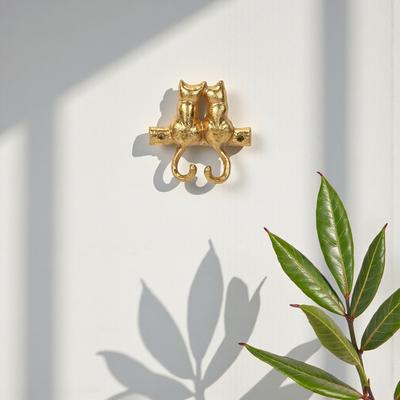
Cheungs Pecara Cat Pairing Romantic Cast Iron Wall Hook - N/AHandcrafted from premium cast iron, the Pecara Cat Pairing Wall Hook combines clean design with everyday function. The minimalist cat silhouette adds subtle character without feeling busy.21,52 $*Shipping: 0,00 $Secure redirect to the provider
-
What is monoculture and perennial crop cultivation?
Monoculture is the agricultural practice of growing a single crop species in a large area of land. This practice can lead to a lack of biodiversity and increased vulnerability to pests and diseases. Perennial crop cultivation, on the other hand, involves growing crops that live for multiple years without the need for replanting each year. Perennial crops can help improve soil health, reduce erosion, and require less input of resources compared to annual crops. **
-
What is a monoculture in the Bannwaldstangenwald?
A monoculture in the Bannwaldstangenwald refers to a forest composed of a single species of trees, typically spruce or pine. This type of forest lacks biodiversity and is more susceptible to diseases and pests. Monocultures are often the result of human intervention, such as clear-cutting and replanting with a single species for commercial purposes. In the Bannwaldstangenwald, efforts are being made to promote diversity and resilience by transitioning monocultures to mixed-species forests. **
-
What are the problems of a monoculture economy?
A monoculture economy is vulnerable to external shocks such as changes in market demand, natural disasters, or disease outbreaks that can devastate the entire economy. It can lead to over-reliance on a single industry, making the economy less diverse and resilient. Additionally, it can result in income inequality and lack of job opportunities for people with skills outside of the dominant industry. Overall, a monoculture economy is risky and can hinder long-term economic growth and stability. **
-
How do monoculture forests differ from natural mixed forests?
Monoculture forests are composed of a single species of tree, typically planted in rows for commercial purposes such as timber production. These forests lack the diversity of species found in natural mixed forests, which contain a variety of tree species, as well as other plants and wildlife. Natural mixed forests are more resilient to pests, diseases, and climate change, as the diversity of species provides a more stable ecosystem. Monoculture forests are more vulnerable to these threats, as a single pest or disease can devastate the entire forest. **
* All prices are inclusive of VAT and, if applicable, plus shipping costs. The offer information is based on the details provided by the respective shop and is updated through automated processes. Real-time updates do not occur, so deviations can occur in individual cases. ** Note: Parts of this content were created by AI.