Buy degustation.eu ?
We are moving the project
degustation.eu .
Are you interested in purchasing the domain
degustation.eu ?
domain@kv-gmbh.de · 0541-91531010
Buy degustation.eu ?
What is the interpretation of Ode to Joy?
'Ode to Joy' is a poem written by Friedrich Schiller and later set to music by Ludwig van Beethoven in his Ninth Symphony. The interpretation of 'Ode to Joy' is that it celebrates the universal themes of unity, brotherhood, and joy. It conveys a message of hope and the belief in the inherent goodness of humanity, encouraging people to come together in harmony and peace. The powerful and uplifting nature of the music and lyrics have made 'Ode to Joy' a timeless anthem of joy and solidarity. **
What are the note names of "Ode to Joy"?
The note names of "Ode to Joy" in the key of D major are D, E, F#, G, A, B, C#, and D. These notes make up the melody of the famous piece composed by Ludwig van Beethoven. The song is often played in various arrangements and instruments, but these note names remain consistent throughout. **


Similar search terms for Ode
Top-Angebote
Products related to Ode:
-
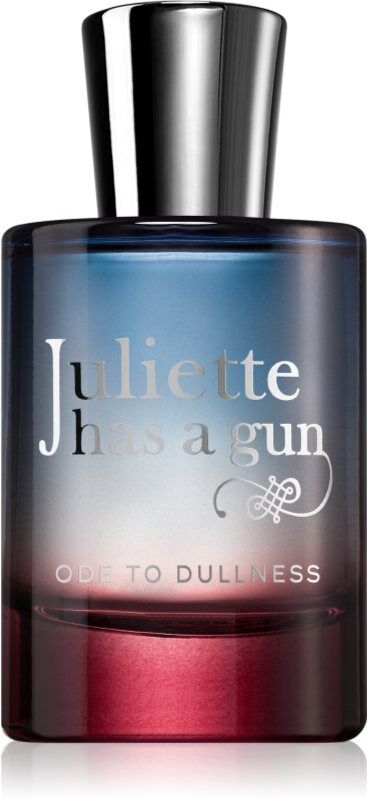
Juliette has a gun Ode To Dullness EDP U 50 mlJuliette has a gun Ode To Dullness, 50 ml, Eaux de Parfum unisex, Fresh but still mysterious. Modern, yet timeless. The composition of Juliette has a gun Ode To Dullness unisex Eau de Parfum is absolutely perfect both for women and men. unique fragrance for a unique personality for both women and men56,70 £*Shipping: 3,99 £Secure redirect to the provider
-
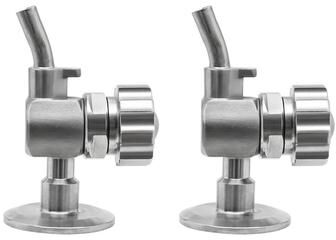
Multicon Wholesale Hub Stainless Steel Sampling Valve For Homebrewing Clamp End Valve Stainless Steel Sampling Valve For Homebrewing Clamp End ValveUnlock precise liquid sampling with the 2 PCS Stainless Steel Sampling Valve designed specifically for homebrewers and brewery enthusiasts. Made with SS304 stainless steel, these valves offer superior durability, ensuring years of rustfree, reliable...239,97 $*Shipping: 0,00 $Secure redirect to the provider
-
Dell Universal Pairing Receiver WR221 Titan GreyCompact wireless receiver compatible with Dell keyboards and mice using 2.4 GHz RF technology. Connects via USB and supports universal pairing with multiple Dell peripheral models, backed by a 1-year manufacturer warranty.20,99 £*Shipping: 0,00 £Secure redirect to the provider


-
What is the meter in Schiller's Ode to Joy?
The meter in Schiller's Ode to Joy is predominantly in iambic tetrameter, which means each line has four metrical feet, and each foot consists of an unstressed syllable followed by a stressed syllable. This meter gives the poem a flowing and rhythmic quality, which complements the uplifting and celebratory theme of the ode. The consistent meter also helps to create a sense of unity and coherence throughout the poem. **
-
What do these two sentences from Ode to Joy mean?
These two sentences from Ode to Joy mean that all people on Earth should come together in unity and brotherhood, transcending any barriers that may divide them. The idea is to embrace each other with a loving heart, symbolizing a sense of universal kinship and harmony among all human beings. The poet is calling for a world where peace and understanding prevail, and where everyone is treated with compassion and empathy. **
-
Why was "Ode to Joy" chosen as the EU anthem?
"Ode to Joy" was chosen as the EU anthem because it is a symbol of unity, peace, and solidarity among European nations. The lyrics, written by Friedrich Schiller, celebrate the universal brotherhood of humanity and the joy of coming together. The melody composed by Ludwig van Beethoven is powerful and uplifting, making it a fitting choice to represent the values and aspirations of the European Union. **
-
Can you give a presentation about the Ode to Joy?
Certainly! The "Ode to Joy" is a famous musical piece that is the final movement of Beethoven's Symphony No. 9. It is a choral symphony that features a setting of Friedrich Schiller's poem "An die Freude" (Ode to Joy) and is considered one of Beethoven's greatest works. The piece is known for its uplifting and celebratory melody, and its message of universal brotherhood and joy. The "Ode to Joy" has been used in numerous cultural and political contexts and is often associated with themes of unity and peace. **


What is the analysis of the symphony Ode to Joy?
The symphony "Ode to Joy" is the final movement of Beethoven's Symphony No. 9 in D minor. It is a choral symphony that features a full orchestra, solo vocalists, and a choir. The symphony is known for its powerful and uplifting melody, which is based on Friedrich Schiller's poem "Ode to Joy." The music is often interpreted as a celebration of the universal brotherhood of humanity and the triumph of joy over suffering. The symphony's use of a choir and soloists in the final movement adds a sense of grandeur and unity to the piece, making it one of Beethoven's most iconic works. **
What is the modern text of the song "Ode to Joy"?
The modern text of the song "Ode to Joy" is based on Friedrich Schiller's poem of the same name. The lyrics celebrate the unity of all mankind and the joy of brotherhood. The most well-known version of the song is the one used in Beethoven's Symphony No. 9, where the text is sung in the final movement. **
Top-Angebote
Products related to Ode:
-
MSW Oil Drainer - 70 L MSW-ODE-70Do you own a garage or are you a passionate hobby mechanic? Buy the MSW-ODE-70 oil drainer from MSW! Highest quality and easiest handling combined, for problem-free oil changes on all engines and vehicles! Take your workshop to the next level with the oil drainer! The engine oil drainer has a collection tray with a capacity of 70 L. The waste water tank of the unit holds 10 L, meaning a large amount of oil can be collected. With a flow rate of 3 L/min, every oil change is quick and efficient. The mobile oil drainer is height-adjustable between 900 - 1,450 mm, it is suitable for a wide range of engine types and sizes! Thanks to its construction of robust materials (Steel, PVC, PU, PE, PA) and four wheels, the waste oil drainer is extremely stable and durable. Two wheels are static, two are flexible. This way, the oil collection trolley can be manoeuvred through the workshop without any problems. The diameter of the rollers is 2x5 mm and 2x3 mm. The oil operating temperature for the unit is 40-60 °C at a maximum delivery pressure of 0-3 bar. The hose length is 1.5 m.137,00 £*Shipping: 0,00 £Secure redirect to the provider
-
Juliette has a gun Ode To Dullness EDP U 100 mlJuliette has a gun Ode To Dullness, 100 ml, Eaux de Parfum unisex, Fresh but still mysterious. Modern, yet timeless. The composition of Juliette has a gun Ode To Dullness unisex Eau de Parfum is absolutely perfect both for women and men. unique fragrance for a unique personality for both women and men75,51 £*Shipping: 3,99 £Secure redirect to the provider
-
Juliette has a gun Ode To Dullness EDP U 50 mlJuliette has a gun Ode To Dullness, 50 ml, Eaux de Parfum unisex, Fresh but still mysterious. Modern, yet timeless. The composition of Juliette has a gun Ode To Dullness unisex Eau de Parfum is absolutely perfect both for women and men. unique fragrance for a unique personality for both women and men56,70 £*Shipping: 3,99 £Secure redirect to the provider
-
What is the interpretation of Ode to Joy?
'Ode to Joy' is a poem written by Friedrich Schiller and later set to music by Ludwig van Beethoven in his Ninth Symphony. The interpretation of 'Ode to Joy' is that it celebrates the universal themes of unity, brotherhood, and joy. It conveys a message of hope and the belief in the inherent goodness of humanity, encouraging people to come together in harmony and peace. The powerful and uplifting nature of the music and lyrics have made 'Ode to Joy' a timeless anthem of joy and solidarity. **
-
What are the note names of "Ode to Joy"?
The note names of "Ode to Joy" in the key of D major are D, E, F#, G, A, B, C#, and D. These notes make up the melody of the famous piece composed by Ludwig van Beethoven. The song is often played in various arrangements and instruments, but these note names remain consistent throughout. **
-
What is the meter in Schiller's Ode to Joy?
The meter in Schiller's Ode to Joy is predominantly in iambic tetrameter, which means each line has four metrical feet, and each foot consists of an unstressed syllable followed by a stressed syllable. This meter gives the poem a flowing and rhythmic quality, which complements the uplifting and celebratory theme of the ode. The consistent meter also helps to create a sense of unity and coherence throughout the poem. **
-
What do these two sentences from Ode to Joy mean?
These two sentences from Ode to Joy mean that all people on Earth should come together in unity and brotherhood, transcending any barriers that may divide them. The idea is to embrace each other with a loving heart, symbolizing a sense of universal kinship and harmony among all human beings. The poet is calling for a world where peace and understanding prevail, and where everyone is treated with compassion and empathy. **
Similar search terms for Ode
-
Multicon Wholesale Hub Stainless Steel Sampling Valve For Homebrewing Clamp End Valve Stainless Steel Sampling Valve For Homebrewing Clamp End ValveUnlock precise liquid sampling with the 2 PCS Stainless Steel Sampling Valve designed specifically for homebrewers and brewery enthusiasts. Made with SS304 stainless steel, these valves offer superior durability, ensuring years of rustfree, reliable...239,97 $*Shipping: 0,00 $Secure redirect to the provider
-
Dell Universal Pairing Receiver WR221 Titan GreyCompact wireless receiver compatible with Dell keyboards and mice using 2.4 GHz RF technology. Connects via USB and supports universal pairing with multiple Dell peripheral models, backed by a 1-year manufacturer warranty.20,99 £*Shipping: 0,00 £Secure redirect to the provider
-
Riedel Veloce Tasting SetThe Riedel Veloce Tasting Set comprises: 1 x Riedel Veloce Cabernet, 1 x Riedel Veloce Pinot Noir, 1 x Riedel Veloce Sauvignon Blanc & 1 x Riedel Veloce Chardonnay glass. Part of the Riedel Veloce range, an impressive development based on state-of-the-art technology from Riedel’s own factory. The series uses the latest manufacturing technology to create products that feel handmade but offer the precision of machine production. With a lighter and finer profile, the glasses are ideal for new world wines and feature a 100mm diameter base inscribed with the designated grape variety. Dishwasher safe.100,00 £*Shipping: 0,00 £Secure redirect to the provider
-
Why was "Ode to Joy" chosen as the EU anthem?
"Ode to Joy" was chosen as the EU anthem because it is a symbol of unity, peace, and solidarity among European nations. The lyrics, written by Friedrich Schiller, celebrate the universal brotherhood of humanity and the joy of coming together. The melody composed by Ludwig van Beethoven is powerful and uplifting, making it a fitting choice to represent the values and aspirations of the European Union. **
-
Can you give a presentation about the Ode to Joy?
Certainly! The "Ode to Joy" is a famous musical piece that is the final movement of Beethoven's Symphony No. 9. It is a choral symphony that features a setting of Friedrich Schiller's poem "An die Freude" (Ode to Joy) and is considered one of Beethoven's greatest works. The piece is known for its uplifting and celebratory melody, and its message of universal brotherhood and joy. The "Ode to Joy" has been used in numerous cultural and political contexts and is often associated with themes of unity and peace. **
-
What is the analysis of the symphony Ode to Joy?
The symphony "Ode to Joy" is the final movement of Beethoven's Symphony No. 9 in D minor. It is a choral symphony that features a full orchestra, solo vocalists, and a choir. The symphony is known for its powerful and uplifting melody, which is based on Friedrich Schiller's poem "Ode to Joy." The music is often interpreted as a celebration of the universal brotherhood of humanity and the triumph of joy over suffering. The symphony's use of a choir and soloists in the final movement adds a sense of grandeur and unity to the piece, making it one of Beethoven's most iconic works. **
-
What is the modern text of the song "Ode to Joy"?
The modern text of the song "Ode to Joy" is based on Friedrich Schiller's poem of the same name. The lyrics celebrate the unity of all mankind and the joy of brotherhood. The most well-known version of the song is the one used in Beethoven's Symphony No. 9, where the text is sung in the final movement. **
* All prices are inclusive of VAT and, if applicable, plus shipping costs. The offer information is based on the details provided by the respective shop and is updated through automated processes. Real-time updates do not occur, so deviations can occur in individual cases. ** Note: Parts of this content were created by AI.