Buy degustation.eu ?
We are moving the project
degustation.eu .
Are you interested in purchasing the domain
degustation.eu ?
domain@kv-gmbh.de · 0541-91531010
Buy degustation.eu ?
Where is custody regulated?
Custody is regulated at both the state and federal levels in the United States. Each state has its own laws and guidelines regarding child custody, which are typically based on the best interests of the child. Additionally, federal laws such as the Uniform Child Custody Jurisdiction and Enforcement Act (UCCJEA) help to ensure consistency and cooperation between states in custody matters. Overall, custody is a complex legal issue that is governed by a combination of state and federal laws. **
How can they be regulated?
They can be regulated through government policies and regulations that set standards for their production, distribution, and use. This can include laws that limit the amount of pollutants they can emit, require the use of certain technologies to reduce environmental impact, or mandate reporting and monitoring of their operations. Additionally, industry-specific regulations and oversight bodies can help ensure compliance with these regulations and hold companies accountable for any violations. Public pressure and consumer demand for more sustainable practices can also influence companies to self-regulate and adopt more environmentally friendly policies. **

Similar search terms for Regulated
Top-Angebote
Products related to Regulated:
-
Dell Universal Pairing Receiver WR221 Titan GreyCompact wireless receiver compatible with Dell keyboards and mice using 2.4 GHz RF technology. Connects via USB and supports universal pairing with multiple Dell peripheral models, backed by a 1-year manufacturer warranty.20,99 £*Shipping: 0,00 £Secure redirect to the provider
-
Riedel Veloce Tasting SetThe Riedel Veloce Tasting Set comprises: 1 x Riedel Veloce Cabernet, 1 x Riedel Veloce Pinot Noir, 1 x Riedel Veloce Sauvignon Blanc & 1 x Riedel Veloce Chardonnay glass. Part of the Riedel Veloce range, an impressive development based on state-of-the-art technology from Riedel’s own factory. The series uses the latest manufacturing technology to create products that feel handmade but offer the precision of machine production. With a lighter and finer profile, the glasses are ideal for new world wines and feature a 100mm diameter base inscribed with the designated grape variety. Dishwasher safe.100,00 £*Shipping: 0,00 £Secure redirect to the provider
-
Cheungs Pecara Cat Pairing Romantic Cast Iron Wall Hook - N/AHandcrafted from premium cast iron, the Pecara Cat Pairing Wall Hook combines clean design with everyday function. The minimalist cat silhouette adds subtle character without feeling busy.21,52 $*Shipping: 0,00 $Secure redirect to the provider




-
How is sick pay regulated?
Sick pay is regulated by a combination of federal, state, and local laws in the United States. The Family and Medical Leave Act (FMLA) requires certain employers to provide unpaid leave for medical reasons, including sickness. Some states and cities have also implemented paid sick leave laws that require employers to provide a certain amount of paid sick leave to employees. Additionally, some employers may offer sick pay as part of their company policies or collective bargaining agreements with unions. Overall, sick pay regulations can vary depending on the location and size of the employer. **
-
How are company holidays regulated?
Company holidays are regulated by the company's policies and procedures, which are typically outlined in the employee handbook or through communication from the human resources department. These policies may include information on the number of holidays provided, how they are determined (e.g. fixed holidays or floating holidays), and any eligibility criteria for employees to receive holiday pay. Additionally, company holidays may be regulated by federal or state labor laws, which may dictate minimum requirements for holiday pay and time off. Overall, company holidays are regulated through a combination of internal company policies and external legal regulations. **
-
Should meat consumption be regulated?
Meat consumption should be regulated to some extent in order to address environmental, health, and ethical concerns. The meat industry is a major contributor to greenhouse gas emissions and deforestation, so regulating consumption could help mitigate these impacts. Additionally, excessive meat consumption has been linked to various health issues, so regulation could help promote healthier dietary choices. From an ethical standpoint, regulating meat consumption could also help address animal welfare concerns. However, it's important to balance regulation with individual choice and cultural practices. **
-
How is enzyme activity regulated?
Enzyme activity is regulated through various mechanisms such as allosteric regulation, covalent modification, and competitive inhibition. In allosteric regulation, molecules bind to specific sites on the enzyme, causing a conformational change that either activates or inhibits the enzyme's activity. Covalent modification involves the addition or removal of chemical groups, such as phosphorylation or dephosphorylation, which can alter the enzyme's activity. Competitive inhibition occurs when a molecule competes with the substrate for binding to the enzyme's active site, thereby reducing the enzyme's activity. These regulatory mechanisms allow cells to control enzyme activity in response to changing environmental conditions and metabolic demands. **


What is a regulated activity?
A regulated activity is an economic or financial activity that is subject to oversight and regulation by a government authority or regulatory body. These activities are typically considered to be of significant importance to the functioning of the economy or the protection of consumers, and therefore require specific rules and standards to be followed. Examples of regulated activities can include banking, insurance, investment services, and healthcare. Compliance with regulations is necessary to ensure the safety, stability, and integrity of these industries. **
How is parking regulated in Florence?
Parking in Florence is regulated through a system of paid parking zones, known as "Zona a Traffico Limitato" (ZTL). These zones are restricted to residents and authorized vehicles only, with limited access for tourists. Visitors can park in designated areas outside the ZTL zones or in paid parking lots. Additionally, there are blue lines painted on the streets indicating paid parking spots, where drivers must purchase a ticket from nearby machines. Failure to comply with parking regulations can result in fines or towing of the vehicle. **
Top-Angebote
Products related to Regulated:
-
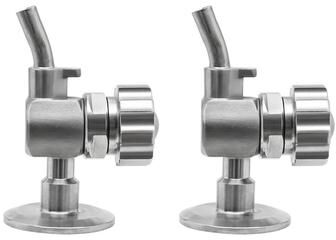
Multicon Wholesale Hub Stainless Steel Sampling Valve For Homebrewing Clamp End Valve Stainless Steel Sampling Valve For Homebrewing Clamp End ValveUnlock precise liquid sampling with the 2 PCS Stainless Steel Sampling Valve designed specifically for homebrewers and brewery enthusiasts. Made with SS304 stainless steel, these valves offer superior durability, ensuring years of rustfree, reliable...239,97 $*Shipping: 0,00 $Secure redirect to the provider
-
Dell Universal Pairing Receiver WR221 Titan GreyCompact wireless receiver compatible with Dell keyboards and mice using 2.4 GHz RF technology. Connects via USB and supports universal pairing with multiple Dell peripheral models, backed by a 1-year manufacturer warranty.20,99 £*Shipping: 0,00 £Secure redirect to the provider
-
Where is custody regulated?
Custody is regulated at both the state and federal levels in the United States. Each state has its own laws and guidelines regarding child custody, which are typically based on the best interests of the child. Additionally, federal laws such as the Uniform Child Custody Jurisdiction and Enforcement Act (UCCJEA) help to ensure consistency and cooperation between states in custody matters. Overall, custody is a complex legal issue that is governed by a combination of state and federal laws. **
-
How can they be regulated?
They can be regulated through government policies and regulations that set standards for their production, distribution, and use. This can include laws that limit the amount of pollutants they can emit, require the use of certain technologies to reduce environmental impact, or mandate reporting and monitoring of their operations. Additionally, industry-specific regulations and oversight bodies can help ensure compliance with these regulations and hold companies accountable for any violations. Public pressure and consumer demand for more sustainable practices can also influence companies to self-regulate and adopt more environmentally friendly policies. **
-
How is sick pay regulated?
Sick pay is regulated by a combination of federal, state, and local laws in the United States. The Family and Medical Leave Act (FMLA) requires certain employers to provide unpaid leave for medical reasons, including sickness. Some states and cities have also implemented paid sick leave laws that require employers to provide a certain amount of paid sick leave to employees. Additionally, some employers may offer sick pay as part of their company policies or collective bargaining agreements with unions. Overall, sick pay regulations can vary depending on the location and size of the employer. **
-
How are company holidays regulated?
Company holidays are regulated by the company's policies and procedures, which are typically outlined in the employee handbook or through communication from the human resources department. These policies may include information on the number of holidays provided, how they are determined (e.g. fixed holidays or floating holidays), and any eligibility criteria for employees to receive holiday pay. Additionally, company holidays may be regulated by federal or state labor laws, which may dictate minimum requirements for holiday pay and time off. Overall, company holidays are regulated through a combination of internal company policies and external legal regulations. **
Similar search terms for Regulated
-
Riedel Veloce Tasting SetThe Riedel Veloce Tasting Set comprises: 1 x Riedel Veloce Cabernet, 1 x Riedel Veloce Pinot Noir, 1 x Riedel Veloce Sauvignon Blanc & 1 x Riedel Veloce Chardonnay glass. Part of the Riedel Veloce range, an impressive development based on state-of-the-art technology from Riedel’s own factory. The series uses the latest manufacturing technology to create products that feel handmade but offer the precision of machine production. With a lighter and finer profile, the glasses are ideal for new world wines and feature a 100mm diameter base inscribed with the designated grape variety. Dishwasher safe.100,00 £*Shipping: 0,00 £Secure redirect to the provider
-
Cheungs Pecara Cat Pairing Romantic Cast Iron Wall Hook - N/AHandcrafted from premium cast iron, the Pecara Cat Pairing Wall Hook combines clean design with everyday function. The minimalist cat silhouette adds subtle character without feeling busy.21,52 $*Shipping: 0,00 $Secure redirect to the provider
-
Riedel Sommeliers Blind Tasting GlassDesigned to remove visual influence from wine tasting, the Riedel Sommeliers Blind Tasting Glass allows aroma, texture and flavour to take centre stage. Made from solid black crystal, the opaque finish encourages a more focused, sensory‑led tasting experience, making it well suited to blind tastings, training sessions and informal challenges at home. With a 380ml capacity, the egg‑shaped bowl gives wines ample space to develop and release aroma, while the 22.6cm height provides a well‑balanced, stemmed profile that feels comfortable and controlled in use. The rounded shape supports aromatic expression while keeping the tasting neutral and unbiased. Handmade from crystal by skilled glassmakers, each piece carries subtle variations that reflect its artisanal production. As part of Riedel’s original Sommeliers collection, the glass follows a function‑first design approach and is dishwasher safe for practical use. Supplied as a single glass.88,00 £*Shipping: 0,00 £Secure redirect to the provider
-
Riedel Winewings Set of 4 Tasting GlassesThe Riedel Winewings Set of Four Tasting Glasses contains the following: 1 x Riedel Winewings Cabernet Sauvignon Glass, 1 x Riedel Winewings Pinot Noir/ Nebbiolo Glass, 1 x Riedel Winewings Sauvignon Blanc Glass and 1 x Riedel Winewings Chardonnay Glass. The Cabernet Sauvignon glass is perfect for full-bodied, complex red wines that are high in tannin. The Pinot Noir glass is perfect for light-bodied red wines with high acidity and moderate tannin. The Sauvignon Blanc glass is perfect for all styles of this variety, from the grassy, fruit-forward wines of the Marlborough to the oak-aged, honeyed blends from Bordeaux. The Chardonnay glass is perfect to reveal the intensity of full-bodied white wines, including the wine's multi-layered aromas. Riedel Winewings Cabernet Sauvignon Glass capacity: 820ml. Riedel Winewings Pinot Noir/ Nebbiolo Glass capacity: 950ml capacity. Riedel Winewings Sauvignon Blanc Glass capacity: 865ml. Part of the Riedel Winewings series. Dishwasher safe. Ideal for the true wine connoisseur, Riedel Winewings glasses emphasise the minerality of the wine, perfect for the wine drinker who prefers wines with depth and complexity. Riedel Winewings is a stunning collection by Georg Riedel. Georg’s swansong series is the culmination of 47 years working in the family business, designing products to enhance the enjoyment of beverages on the way to becoming the father of functional glassware. Asked by a customer in 2018 to create the ultimate glass for Cabernet Sauvignon, the following 12 months consisted of many tastings and changes to glass shape, size and rim diameter until Riedel Winewings literally took flight. Flat-bottomed and reminiscent of an aircraft wing, complete with winglets, Riedel Winewings is described by Georg as “brutally functional, taking the wine’s aromas and flavours on a flight.” Describing the reasoning behind this brutally functional design, Georg says “I chose a flat and stretched bottom with a wing-l ike shape as it increases the surface area of the wine exposed to oxygen. This leads to greater levels of evaporation and enables a greater intensity of aroma. When positioning one’s head to the glass, the nose is closer to the exposed and wider surface of the wine. This alone would not fully deliver the optimal aroma of each grape variety so, to capture the delicate layered aromas, it was necessary to curve the glass walls and to correctly calibrate the opening of each glass with its rim diameter.”112,00 £*Shipping: 0,00 £Secure redirect to the provider
-
Should meat consumption be regulated?
Meat consumption should be regulated to some extent in order to address environmental, health, and ethical concerns. The meat industry is a major contributor to greenhouse gas emissions and deforestation, so regulating consumption could help mitigate these impacts. Additionally, excessive meat consumption has been linked to various health issues, so regulation could help promote healthier dietary choices. From an ethical standpoint, regulating meat consumption could also help address animal welfare concerns. However, it's important to balance regulation with individual choice and cultural practices. **
-
How is enzyme activity regulated?
Enzyme activity is regulated through various mechanisms such as allosteric regulation, covalent modification, and competitive inhibition. In allosteric regulation, molecules bind to specific sites on the enzyme, causing a conformational change that either activates or inhibits the enzyme's activity. Covalent modification involves the addition or removal of chemical groups, such as phosphorylation or dephosphorylation, which can alter the enzyme's activity. Competitive inhibition occurs when a molecule competes with the substrate for binding to the enzyme's active site, thereby reducing the enzyme's activity. These regulatory mechanisms allow cells to control enzyme activity in response to changing environmental conditions and metabolic demands. **
-
What is a regulated activity?
A regulated activity is an economic or financial activity that is subject to oversight and regulation by a government authority or regulatory body. These activities are typically considered to be of significant importance to the functioning of the economy or the protection of consumers, and therefore require specific rules and standards to be followed. Examples of regulated activities can include banking, insurance, investment services, and healthcare. Compliance with regulations is necessary to ensure the safety, stability, and integrity of these industries. **
-
How is parking regulated in Florence?
Parking in Florence is regulated through a system of paid parking zones, known as "Zona a Traffico Limitato" (ZTL). These zones are restricted to residents and authorized vehicles only, with limited access for tourists. Visitors can park in designated areas outside the ZTL zones or in paid parking lots. Additionally, there are blue lines painted on the streets indicating paid parking spots, where drivers must purchase a ticket from nearby machines. Failure to comply with parking regulations can result in fines or towing of the vehicle. **
* All prices are inclusive of VAT and, if applicable, plus shipping costs. The offer information is based on the details provided by the respective shop and is updated through automated processes. Real-time updates do not occur, so deviations can occur in individual cases. ** Note: Parts of this content were created by AI.