Buy degustation.eu ?
We are moving the project
degustation.eu .
Are you interested in purchasing the domain
degustation.eu ?
domain@kv-gmbh.de · 0541-91531010
Buy degustation.eu ?
Are dogs scavengers?
Yes, dogs are scavengers by nature. They have evolved to scavenge for food in the wild, which is why they may exhibit behaviors such as digging through trash or begging for scraps. However, domesticated dogs are typically fed by their owners and may not need to scavenge for food as much as their wild counterparts. Nonetheless, the scavenging instinct remains a part of their natural behavior. **
Are humans technically considered scavengers?
Humans are not technically considered scavengers. While humans may scavenge for food in certain situations, our primary mode of obtaining food is through hunting, gathering, and agriculture. Scavengers typically rely on feeding off of the remains of dead animals or plants, which is not the main source of sustenance for humans. **

Similar search terms for Scavengers
Top-Angebote
Products related to Scavengers:
-
Dell Universal Pairing Receiver WR221 Titan GreyCompact wireless receiver compatible with Dell keyboards and mice using 2.4 GHz RF technology. Connects via USB and supports universal pairing with multiple Dell peripheral models, backed by a 1-year manufacturer warranty.21,99 £*Shipping: 0,00 £Secure redirect to the provider
-
Riedel Veloce Tasting SetThe Riedel Veloce Tasting Set comprises: 1 x Riedel Veloce Cabernet, 1 x Riedel Veloce Pinot Noir, 1 x Riedel Veloce Sauvignon Blanc & 1 x Riedel Veloce Chardonnay glass. Part of the Riedel Veloce range, an impressive development based on state-of-the-art technology from Riedel’s own factory. The series uses the latest manufacturing technology to create products that feel handmade but offer the precision of machine production. With a lighter and finer profile, the glasses are ideal for new world wines and feature a 100mm diameter base inscribed with the designated grape variety. Dishwasher safe.100,00 £*Shipping: 0,00 £Secure redirect to the provider
-
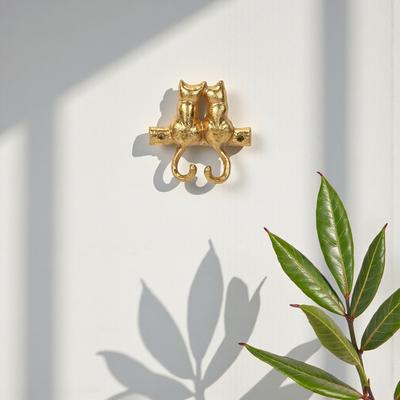
Cheungs Pecara Cat Pairing Romantic Cast Iron Wall Hook - N/AHandcrafted from premium cast iron, the Pecara Cat Pairing Wall Hook combines clean design with everyday function. The minimalist cat silhouette adds subtle character without feeling busy.21,52 $*Shipping: 0,00 $Secure redirect to the provider



-
Is homology or analogy present in all vultures as scavengers?
Homology is present in all vultures as scavengers. This is because all vultures share a common evolutionary ancestor and have similar anatomical features and behaviors that have been adapted for scavenging. These shared characteristics are considered homologous traits. Analogous traits, on the other hand, would be features that have evolved independently in different species to serve a similar function, which is not the case for vultures as scavengers. **
-
Do scavengers have the same teeth and digestive system as omnivores?
Scavengers typically have teeth and digestive systems that are adapted to consume a wide variety of foods, similar to omnivores. However, the specific adaptations can vary depending on the species and their diet. For example, some scavengers may have sharp teeth for tearing into carrion, while others may have grinding teeth for consuming plant matter found in their scavenged meals. Overall, scavengers and omnivores share similarities in their dental and digestive adaptations to help them efficiently process a range of food sources. **
-
Do scavengers like hyenas and vultures have toxic bacteria in their saliva similar to Komodo dragons?
No, scavengers like hyenas and vultures do not have toxic bacteria in their saliva like Komodo dragons. Komodo dragons have a unique oral bacteria that can cause a deadly infection in their prey, while hyenas and vultures do not possess this type of bacteria. Instead, these scavengers have strong stomach acids that help them digest and eliminate any harmful bacteria they may come into contact with while feeding on carrion. **
-
Do scavengers like hyenas and vultures have similar to Komodo dragons poisonous bacteria in their saliva?
No, scavengers like hyenas and vultures do not have similar poisonous bacteria in their saliva like Komodo dragons. Komodo dragons have a unique type of bacteria in their saliva that can cause deadly infections in their prey. Hyenas and vultures rely on their strong stomach acids to digest their food, rather than relying on bacteria in their saliva to weaken their prey. **


Do scavengers like hyenas and vultures have poisonous bacteria in their saliva similar to Komodo dragons?
No, scavengers like hyenas and vultures do not have poisonous bacteria in their saliva like Komodo dragons. Komodo dragons have a unique oral bacteria that can cause deadly infections in their prey, while hyenas and vultures rely on their strong stomach acids to break down and digest their food, which helps prevent the growth of harmful bacteria in their saliva. Scavengers play an important role in the ecosystem by helping to clean up carcasses and prevent the spread of disease. **
How is it possible for bodies to wash up on land, even though there are scavengers in the world's oceans?
Bodies can wash up on land despite the presence of scavengers in the world's oceans due to a variety of factors. For example, strong ocean currents and tides can carry bodies from the ocean to the shore. Additionally, the decomposition process of a body can cause it to bloat and float to the surface, where it can be carried by currents to the shore. In some cases, scavengers may not be able to consume an entire body, leaving parts of it to wash up on land. **
Top-Angebote
Products related to Scavengers:
-
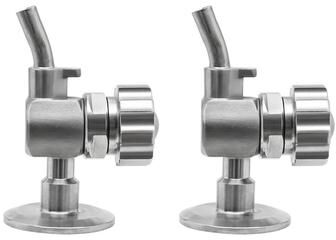
Multicon Wholesale Hub Stainless Steel Sampling Valve For Homebrewing Clamp End Valve Stainless Steel Sampling Valve For Homebrewing Clamp End ValveUnlock precise liquid sampling with the 2 PCS Stainless Steel Sampling Valve designed specifically for homebrewers and brewery enthusiasts. Made with SS304 stainless steel, these valves offer superior durability, ensuring years of rustfree, reliable...239,97 $*Shipping: 0,00 $Secure redirect to the provider
-
Dell Universal Pairing Receiver WR221 Titan GreyCompact wireless receiver compatible with Dell keyboards and mice using 2.4 GHz RF technology. Connects via USB and supports universal pairing with multiple Dell peripheral models, backed by a 1-year manufacturer warranty.21,99 £*Shipping: 0,00 £Secure redirect to the provider
-
Are dogs scavengers?
Yes, dogs are scavengers by nature. They have evolved to scavenge for food in the wild, which is why they may exhibit behaviors such as digging through trash or begging for scraps. However, domesticated dogs are typically fed by their owners and may not need to scavenge for food as much as their wild counterparts. Nonetheless, the scavenging instinct remains a part of their natural behavior. **
-
Are humans technically considered scavengers?
Humans are not technically considered scavengers. While humans may scavenge for food in certain situations, our primary mode of obtaining food is through hunting, gathering, and agriculture. Scavengers typically rely on feeding off of the remains of dead animals or plants, which is not the main source of sustenance for humans. **
-
Is homology or analogy present in all vultures as scavengers?
Homology is present in all vultures as scavengers. This is because all vultures share a common evolutionary ancestor and have similar anatomical features and behaviors that have been adapted for scavenging. These shared characteristics are considered homologous traits. Analogous traits, on the other hand, would be features that have evolved independently in different species to serve a similar function, which is not the case for vultures as scavengers. **
-
Do scavengers have the same teeth and digestive system as omnivores?
Scavengers typically have teeth and digestive systems that are adapted to consume a wide variety of foods, similar to omnivores. However, the specific adaptations can vary depending on the species and their diet. For example, some scavengers may have sharp teeth for tearing into carrion, while others may have grinding teeth for consuming plant matter found in their scavenged meals. Overall, scavengers and omnivores share similarities in their dental and digestive adaptations to help them efficiently process a range of food sources. **
Similar search terms for Scavengers
-
Riedel Veloce Tasting SetThe Riedel Veloce Tasting Set comprises: 1 x Riedel Veloce Cabernet, 1 x Riedel Veloce Pinot Noir, 1 x Riedel Veloce Sauvignon Blanc & 1 x Riedel Veloce Chardonnay glass. Part of the Riedel Veloce range, an impressive development based on state-of-the-art technology from Riedel’s own factory. The series uses the latest manufacturing technology to create products that feel handmade but offer the precision of machine production. With a lighter and finer profile, the glasses are ideal for new world wines and feature a 100mm diameter base inscribed with the designated grape variety. Dishwasher safe.100,00 £*Shipping: 0,00 £Secure redirect to the provider
-
Cheungs Pecara Cat Pairing Romantic Cast Iron Wall Hook - N/AHandcrafted from premium cast iron, the Pecara Cat Pairing Wall Hook combines clean design with everyday function. The minimalist cat silhouette adds subtle character without feeling busy.21,52 $*Shipping: 0,00 $Secure redirect to the provider
-
Riedel Sommeliers Blind Tasting GlassDesigned to remove visual influence from wine tasting, the Riedel Sommeliers Blind Tasting Glass allows aroma, texture and flavour to take centre stage. Made from solid black crystal, the opaque finish encourages a more focused, sensory‑led tasting experience, making it well suited to blind tastings, training sessions and informal challenges at home. With a 380ml capacity, the egg‑shaped bowl gives wines ample space to develop and release aroma, while the 22.6cm height provides a well‑balanced, stemmed profile that feels comfortable and controlled in use. The rounded shape supports aromatic expression while keeping the tasting neutral and unbiased. Handmade from crystal by skilled glassmakers, each piece carries subtle variations that reflect its artisanal production. As part of Riedel’s original Sommeliers collection, the glass follows a function‑first design approach and is dishwasher safe for practical use. Supplied as a single glass.88,00 £*Shipping: 0,00 £Secure redirect to the provider
-
Do scavengers like hyenas and vultures have toxic bacteria in their saliva similar to Komodo dragons?
No, scavengers like hyenas and vultures do not have toxic bacteria in their saliva like Komodo dragons. Komodo dragons have a unique oral bacteria that can cause a deadly infection in their prey, while hyenas and vultures do not possess this type of bacteria. Instead, these scavengers have strong stomach acids that help them digest and eliminate any harmful bacteria they may come into contact with while feeding on carrion. **
-
Do scavengers like hyenas and vultures have similar to Komodo dragons poisonous bacteria in their saliva?
No, scavengers like hyenas and vultures do not have similar poisonous bacteria in their saliva like Komodo dragons. Komodo dragons have a unique type of bacteria in their saliva that can cause deadly infections in their prey. Hyenas and vultures rely on their strong stomach acids to digest their food, rather than relying on bacteria in their saliva to weaken their prey. **
-
Do scavengers like hyenas and vultures have poisonous bacteria in their saliva similar to Komodo dragons?
No, scavengers like hyenas and vultures do not have poisonous bacteria in their saliva like Komodo dragons. Komodo dragons have a unique oral bacteria that can cause deadly infections in their prey, while hyenas and vultures rely on their strong stomach acids to break down and digest their food, which helps prevent the growth of harmful bacteria in their saliva. Scavengers play an important role in the ecosystem by helping to clean up carcasses and prevent the spread of disease. **
-
How is it possible for bodies to wash up on land, even though there are scavengers in the world's oceans?
Bodies can wash up on land despite the presence of scavengers in the world's oceans due to a variety of factors. For example, strong ocean currents and tides can carry bodies from the ocean to the shore. Additionally, the decomposition process of a body can cause it to bloat and float to the surface, where it can be carried by currents to the shore. In some cases, scavengers may not be able to consume an entire body, leaving parts of it to wash up on land. **
* All prices are inclusive of VAT and, if applicable, plus shipping costs. The offer information is based on the details provided by the respective shop and is updated through automated processes. Real-time updates do not occur, so deviations can occur in individual cases. ** Note: Parts of this content were created by AI.